Slow the scene down, protect life and establish a reliable operating picture.
- Broadcast arrival, exact location, immediate hazards and whether further Police, Ambulance or Fire resources are required.
- Separate urgent lifesaving action from evidence preservation; do not delay necessary treatment to protect an exhibit.
- Identify involved people, witnesses, vehicles and likely offenders before they disperse.
- Set an inner working area and a safe outer staging point where the incident warrants it.
- Create or identify the incident record and nominate scene, evidence and liaison responsibilities.
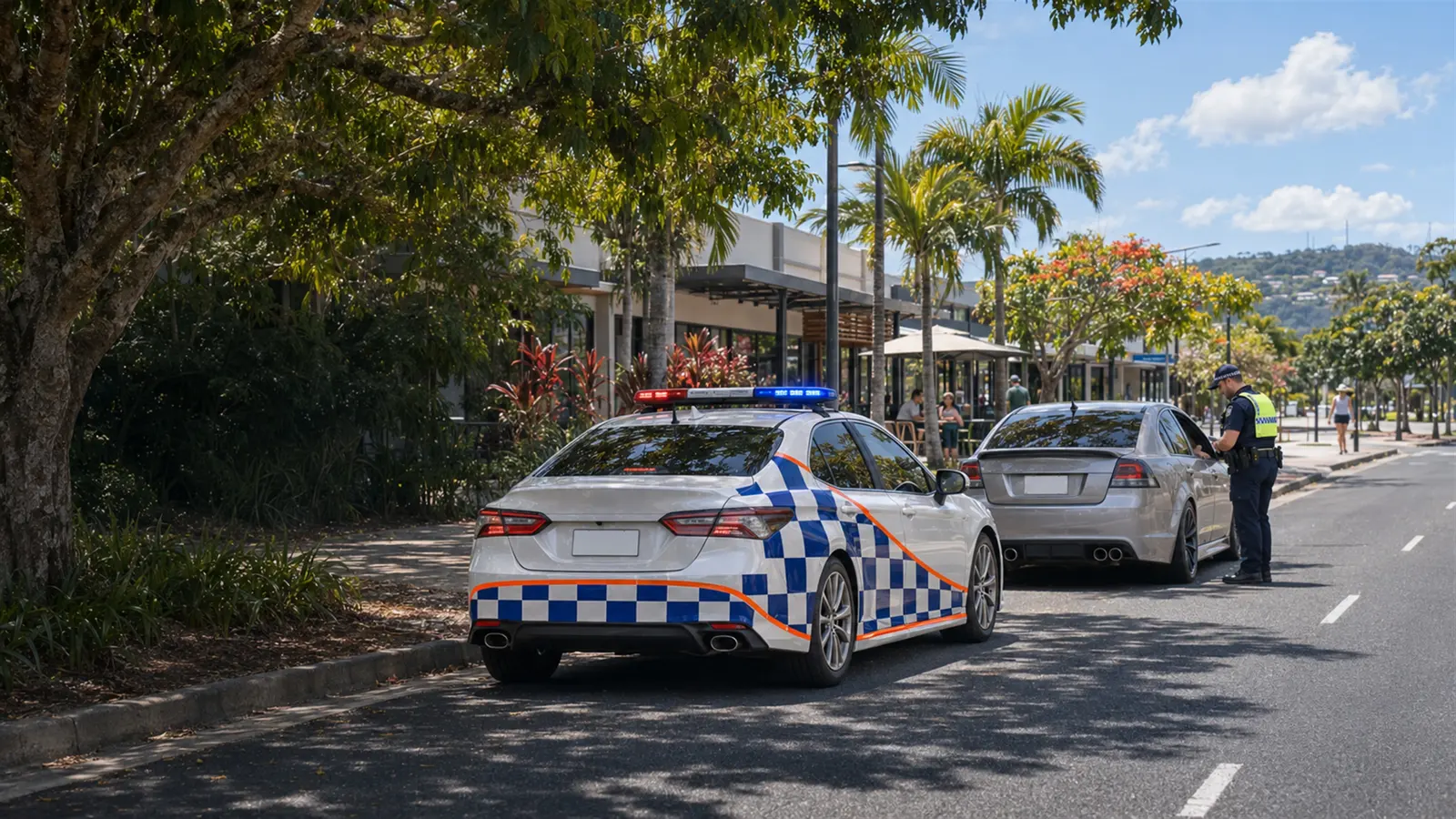
Every stop needs a lawful reason, a safe position and a professional explanation.
- Select a location that protects officers, the stopped driver and passing traffic; update dispatch with plate and location.
- Approach with awareness of occupants, traffic, escape routes and visible hazards.
- Identify yourself, state the reason for the stop and request only information authorised by the situation.
- Separate observations from assumptions and confirm licence, registration and alerts through authorised records.
- Resolve proportionately through education, warning, infringement, defect action, search, arrest or safe release, then document material action.
Confirm authority before entry, handling property or expanding the scope.
- Identify the legal or policy basis: consent, incident to arrest, protective search, vehicle authority, warrant or another approved power.
- Explain the search where operationally safe and record any consent, limitation or withdrawal.
- Search only the person, place, vehicle or container covered by the authority and stop when the objective is complete.
- List seized property accurately, use evidence identifiers and preserve continuity from recovery onward.
- Record grounds, scope, occupants, property damage, exhibits, notifications and final disposition.
An arrest begins a duty of care as well as a legal process.
- Confirm identity and objective grounds, state that the person is under arrest and provide the reason as soon as practicable.
- Search, restrain and transport proportionately; continuously consider injury, intoxication, mental state and escape risk.
- Protect legal rights and access to appropriate medical care without promising a court or sentence outcome.
- Link each proposed charge to facts and evidence; avoid duplicating offences for the same conduct.
- Complete custody, property, charge, incident, officer-report and evidence records before clearing responsibility.
The need to apprehend must continuously outweigh the danger created by continuing.
- Broadcast the offence, vehicle, direction, traffic, weather, speed, occupants and immediate risk.
- Establish primary, secondary and supervising units; keep unnecessary vehicles out of the pursuit.
- Reassess after every major change, collision, pedestrian hazard, loss of visual contact or escalation in driving behaviour.
- Use tactical contact, tyre-deflation or containment only when trained, authorised and proportionate to the current threat.
- If terminated, broadcast clearly, reduce speed safely, coordinate later investigation and record the decision and known evidence.
Force is a controlled response to behaviour and must stop when the need ends.
- Where practicable, identify yourself, communicate, create time and distance, request support and offer a clear opportunity to comply.
- Select the least force reasonably capable of controlling the actual threat; reassess after every application.
- Do not punish, retaliate or continue force against a controlled person.
- Secure weapons, provide or request medical care, notify a supervisor and preserve body-worn or scene evidence.
- Record subject behaviour, warnings, options considered, force used, effectiveness, injury, care and final outcome.
A defensible exhibit remains identifiable from its original location to its final case use.
- Control access and note unavoidable movement, treatment or contamination before collection begins.
- Photograph or describe each exhibit in place with its exact location, condition and relationship to the scene.
- Use the authorised collection interaction, confirm the unique identifier and package separately where contamination is possible.
- Record collector, time, location, method, container and every later transfer or examination.
- Link exhibits and supported results to the incident and officer report, including conflicting or exculpatory findings.
Major harm requires command, preservation, welfare and independent review.
- Request Police command, Ambulance, Fire and specialist resources early; establish command and a shared staging point.
- Separate continuing threat control from casualty care, public safety and investigation.
- Protect involved officers and witnesses from collusion while meeting welfare and medical needs.
- Preserve weapons, vehicles, recordings, dispatch traffic, exhibits and the scene log.
- Record command transfers, significant decisions, notifications and the handover to the authorised investigator or Internal Affairs.
A complete record allows another officer, supervisor or court participant to understand the case without guessing.
- Confirm the correct incident, involved persons, vehicles, locations, times and responding units.
- Write individual observations and grounds in the officer report; do not copy another officer’s perspective as your own.
- Link charges to offence elements, reports, evidence identifiers, images, warrants and relevant alerts.
- Record property returned, seized, destroyed, stored or transferred, and identify outstanding actions.
- Proofread names, dates, classifications and outcomes; correct mistakes through an auditable amendment rather than deletion.